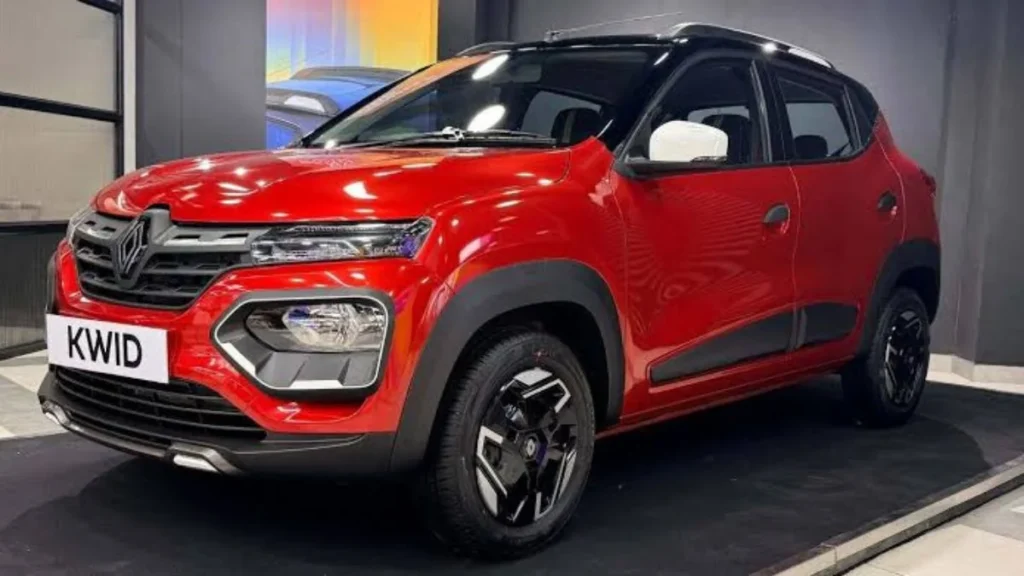
India’s Ethanol Blended Petrol (EBP) Programme has placed E20 fuel — petrol blended with 20% ethanol — at fuel stations across the country. The E20 petrol mileage question is now the first thing most Indian car owners search when the pump label changes. Will the tank last fewer kilometres? Can an older engine handle it? This guide answers both with data from SIAM, BIS, and real ownership observations — covering E20-ready cars, decade-old vehicles, and the practical steps every owner can take today.
What Is E20 Petrol and Why Is India Switching to It?
India’s National Biofuel Policy 2018 set a 20% ethanol blending target for petrol by 2025 — a deadline the government accelerated from the original 2030 timeline. E20 fuel India refers to petrol containing 20% ethanol by volume, sourced from sugarcane molasses, maize, or damaged food grain. The EBP programme serves three national goals: reducing crude oil imports (India sources approximately 85% of crude from overseas), cutting vehicular carbon emissions, and creating stable procurement revenue for sugarcane and maize farmers.
The phased rollout moved from E5 through E10 before reaching E20. Most Indian fuel stations dispensed E10 through 2022–2024. E20 expansion began in select metro cities in 2023 and has widened through 2025–2026 under a city-level mandate. According to India’s Ethanol Blended Petrol Programme, the government targets 100% E20 availability at retail outlets by end-2025.
The Bureau of Indian Standards issued IS 2796 (revised) setting ethanol blended petrol quality benchmarks all licensed suppliers must meet. Ethanol fuel compatibility became a mandatory certification requirement for BS6 Phase II petrol vehicles from April 2023, with a green E20 label placed inside the fuel cap to confirm compliance.
E20 Petrol Mileage — How Much Drop Do Indian Drivers Actually See?
Ethanol carries approximately 26.8 MJ per litre of energy versus approximately 34.2 MJ per litre for pure petrol. A 20% ethanol blend reduces energy content per litre by roughly 4.3% — but the real-world E20 petrol mileage penalty runs closer to 6–7% from E0 because the engine’s air-fuel calibration also shifts under higher ethanol content. SIAM data and BIS benchmarks confirm this range. Does E20 petrol reduce car mileage? Yes, consistently and measurably — the variable is how much each specific vehicle experiences.
The E20 petrol effect on car mileage shows up within one or two fill-ups after the switch. A car returning 18 kmpl on E10 delivers approximately 17.3–17.5 kmpl on E20 — a loss of 0.5–0.7 kmpl. On a 50-litre fill at ₹100 per litre, that equals 25–35 fewer kilometres per tank. The e20 petrol mileage reduction in India compounds for high-mileage users: at 2,000 km/month, a 3.5% drop translates to approximately 70 extra kilometres of range lost monthly.
E20-compatible vehicles with updated ECU calibrations recover part of this loss through revised ignition timing and fuel injection mapping. Independent automotive test data shows ECU-optimised vehicles narrow the gap to approximately 1.5–2.5% below E10 performance. Vehicles without E20-specific ECU maps — primarily those manufactured before 2022 — experience the full 3–3.5% drop.
E20 Petrol Effect on Car Engine — What the Chemistry Actually Does
Beyond E20 petrol mileage numbers, the E20 petrol effect on car engine components is the second major concern for Indian owners. Ethanol affects engine hardware through two chemical mechanisms. First, ethanol is hygroscopic — it actively absorbs atmospheric moisture. In fuel tanks, lines, and carburettors, this causes phase separation: the ethanol-water mixture separates from petrol and concentrates near metal fuel pump inlets, corroding zinc carburettor jets, aluminium fuel rails, and injector nozzle seats progressively.
Second, ethanol acts as a solvent. Rubber seals, float bowl gaskets, and plastic fuel-line components not rated for high ethanol content swell, crack, and deteriorate ahead of their design service life. The E20 petrol damage to car engine hardware does not appear immediately — it develops over 12–24 months of sustained exposure in incompatible vehicles. Short-term, the engine runs slightly lean because ethanol molecules carry oxygen atoms, altering stoichiometric air-fuel ratio and modestly raising combustion temperatures.
Modern E20-ready vehicles address both risks through material and calibration updates: fluorocarbon rubber seals replace nitrile, ethanol-resistant aluminium alloys replace zinc die-cast components, and ECU fuel maps compensate for the higher oxygen content in the blend. Engine performance on certified E20-ready models remains comparable to E10 levels under normal driving conditions. The BIS petrol quality standards covering IS 2796 set the material certification requirements all E20-ready manufacturers must comply with.
Is E20 Petrol Safe for Old Cars? Compatibility Explained
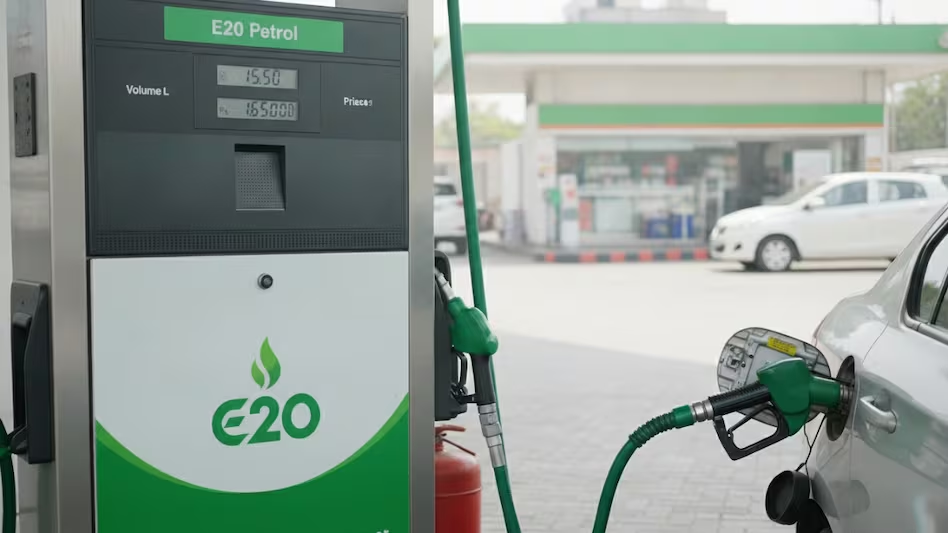
E20 petrol compatibility with old cars is not a single yes or no — it divides across three vehicle generations with very different risk profiles.
E20-ready vehicles (April 2023 onward): All BS6 Phase II petrol vehicles from April 2023 carry OEM E20 certification, featuring ethanol-resistant seals, updated fuel system metallurgy, and E20-calibrated ECUs from the factory. Maruti Suzuki, Hyundai, Tata Motors, and Honda confirmed E20-ready production from 2022–2023. No modifications are needed for this category.
E10-compatible vehicles (approximately 2010–2022): Most manufacturer handbooks for this era specify E10 as the approved maximum blend. Using E20 in these vehicles may void powertrain warranty coverage and exposes rubber fuel-system components to degradation beyond OEM design limits. Owners should check the fuel cap label or the owner’s manual fuel specification page before switching fuels.
Pre-2010 petrol cars: The highest-risk category. Carburetted engines, non-EFI fuel delivery systems, and rubber hoses rated for E5 or E10 maximum all face accelerated deterioration under sustained E20 exposure. Is E20 petrol safe for old cars in this group? No — not without inspection, material upgrades, and consistent monitoring. For pre-2010 vehicles, the issue runs deeper than fuel economy: this is not just an E20 petrol mileage concern — it is a component safety issue with direct consequences for repair costs and on-road reliability.
E20 Petrol Problems for Old Cars — Specific Risks to Know
The E20 petrol problems for old cars concentrate at four mechanical failure points. Degraded rubber fuel hoses are the most common — nitrile rubber, standard in pre-2010 vehicles, swells and cracks under prolonged ethanol exposure. Carburettor float bowls in zinc alloy corrode as ethanol-absorbed moisture contacts the metal surface repeatedly, distorting the float bowl seat and disrupting mixture calibration.
Aluminium fuel system components — including fuel rail unions and older injector seats — develop pitting corrosion from the water-contact mechanism. Varnish deposits from phase separation accumulate inside carburettor jets and injector tips, degrading fuel atomisation and idle stability over time. Pre-2005 four-wheelers and carburetted two-wheelers carry the highest cumulative exposure risk from sustained ethanol fuel damage — a category that covers millions of vehicles still in daily use across India.
E0, E10, and E20 Petrol Compared — Side by Side
Indian drivers switching from E10 need a clear view of how the blends compare on parameters that shape ownership cost. Most pumps dispensed E10 through 2024; E20 is the operative change now rolling out city by city. The table below maps E0, E10, E20, and E85 across mileage impact, engine risk, and government availability — the factors defining the E20 petrol mileage picture across India. For compatible models, the best fuel-efficient petrol cars in India 2026 covers current options.
| Fuel Type | Ethanol % | Mileage vs E0 | Risk: Old Cars | Risk: New Cars | India Status |
|---|---|---|---|---|---|
| E0 (Pure Petrol) | 0% | Baseline | None | None | Being phased out |
| E10 | 10% | ~3–3.5% lower | Low | Negligible | Widely available |
| E20 | 20% | ~6–7% lower | Moderate–High | Low (if E20-ready) | Expanding rollout |
| E85 | 85% | ~25–30% lower | Very High | Flex-fuel only | Limited/pilot |
Sources: SIAM, BIS IS 2796, OEM owner handbooks. Figures approximate — verify with vehicle manufacturer.
Six Tips for Managing E20 Petrol Mileage as an Indian Car Owner
Check the owner’s manual before switching. The fuel specification page lists the maximum ethanol blend the OEM approves. If it specifies E10, using E20 may void the powertrain warranty — a significant financial risk given current repair costs at authorised workshops across India.
Track fuel efficiency across two consecutive full tanks. A 5–8% reduction from E10 falls within the expected range. A drop beyond 10% signals a possible tuning issue or fuel system problem worth investigating before damage progresses.
Inspect rubber fuel lines on pre-2010 vehicles every 15,000 km. Ask a mechanic to check hose condition visually at each service interval if E20 is the only option at local fuel stations.
Use a fuel system cleaner every 10,000 km. A solvent-based cleaner reduces varnish and deposit build-up from ethanol moisture absorption — particularly important for vehicles used in stop-start urban conditions where phase separation risk is highest.
Keep the tank above a quarter when running on E20. Moisture accumulation from ethanol phase separation concentrates near the fuel pump inlet in near-empty tanks — a known failure point on older vehicles with submerged fuel pumps.
Confirm E20 readiness in writing at the showroom. Post-2023 BS6 Phase II vehicles carry E20 certification; new-car buyers should request written confirmation from the dealer and retain it with the ownership documents and service book.
Frequently Asked Questions
Does E20 petrol reduce car mileage?
Yes — E20 delivers approximately 6–7% lower fuel efficiency than pure petrol (E0) because ethanol carries less energy per litre. Indian drivers switching from E10 to E20 see approximately 3–3.5% lower E20 petrol mileage in real-world conditions. ECU-optimised E20-ready vehicles recover part of this deficit through revised ignition timing, narrowing the real-world gap to approximately 1.5–2.5% below E10 performance.
Is E20 petrol safe for old cars in India?
Partially. Cars manufactured before 2010 — especially carburetted or pre-EFI models — carry real risk of rubber seal degradation, fuel-line swelling, and metal corrosion from E20’s ethanol content. Owners should check the owner’s manual; if the approved blend is E10, continue using E10 wherever it remains available at local stations rather than switching to E20.
What problems does E20 petrol cause for older vehicles?
The main failure points are degraded rubber fuel hoses, swollen carburettor float chambers, corrosion in aluminium and zinc fuel components, and phase separation varnish deposits inside injectors and jets. These risks are low for modern E20-ready cars but significant for vehicles 15 or more years old with original, unmodified fuel system components.
Which cars are E20 petrol compatible in India?
All petrol vehicles produced from April 2023 onward under BS6 Phase II norms carry E20 certification. Maruti Suzuki, Tata Motors, Hyundai, and Honda launched E20-compatible models from 2022. The E20-ready label appears on the inside of the fuel cap. The BS6 Phase II car buying guide lists compatible models by OEM and production year for buyers researching new purchases.
How does E20 petrol affect the car engine long-term?
For compatible vehicles, long-term engine performance remains consistent when service intervals are followed. For incompatible vehicles, cumulative risks include seal deterioration, injector deposit build-up from ethanol moisture absorption, and sustained lean combustion that raises engine temperatures over time. Annual fuel system inspection at an authorised workshop significantly reduces the long-term risk profile for borderline-compatible vehicles.
Final Verdict — Should Indian Drivers Worry About E20 Petrol?
E20 petrol mileage is a legitimate and measurable concern — but the response depends entirely on which vehicle the owner drives. Post-2023 E20-ready cars face no meaningful risk: the mileage drop is modest, engine materials handle ethanol without issue, and the ECU compensates for combustion changes automatically. Owners of 2010–2022 vehicles should monitor fuel efficiency, inspect seals at the next scheduled service, and choose E10 where it remains available.
Owners of pre-2010 older petrol cars should treat any E20 use as a maintenance trigger: inspect rubber fuel lines, consult an authorised mechanic before switching, and budget for seal replacement if E20 becomes unavoidable locally. Tracking E20 petrol mileage over two consecutive tanks against the E10 baseline is the simplest first diagnostic any owner can run — just a consistent log of fill volumes and distances covered. Check the fuel cap label, read the owner’s manual fuel specification page, and confirm compatibility at the next scheduled service.