
Monsoon car care tips matter more this year than the seasonal forecast alone suggests. The southwest monsoon covered the entire country by 9 July 2026, just a day behind its normal date of 8 July, so most of India is already deep into active monsoon conditions right now.
The IMD’s updated long-range forecast pegs the 2026 season at roughly 90–92% of the Long Period Average, officially classified as “below normal.”
But that number hides real regional unevenness — parts of Northeast India, East-Central India, and Kerala are still expected to see normal-to-above-normal rainfall, so localized heavy spells and waterlogging remain genuine risks even in a below-normal year nationally.
This guide covers a pre-monsoon checklist, tyre and brake care, electrical protection, driving technique, and a quick-reference table of common monsoon problems and fixes.
Anyone searching for Monsoon car care tips for Indian roads will find genuinely current, practical advice below rather than generic seasonal filler. Car maintenance during monsoon isn’t optional box-ticking — it directly affects how safely a car handles the next heavy spell.
Why Monsoon Car Care Matters More Than Drivers Expect
Monsoon conditions stress a car differently than everyday driving. Standing water hides potholes, sudden braking on wet tarmac behaves unpredictably, and humidity quietly works on electrical connections that dry-season driving never tests.
Rainy season car care shouldn’t be skipped just because 2026 is officially a below-normal year. A national average of 90–92% of the LPA still allows for genuinely heavy, localized downpours in specific pockets, and a driver in one of those wetter regions gets no benefit from a weaker national picture.
These monsoon car care tips apply just as much in a below-normal year as a strong one, since local conditions matter more than the national headline figure.
In short: the “below normal” label describes the whole country’s average, not what happens on any one driver’s actual commute.
Essential Car Care Checklist for Monsoon — Before the Season Starts
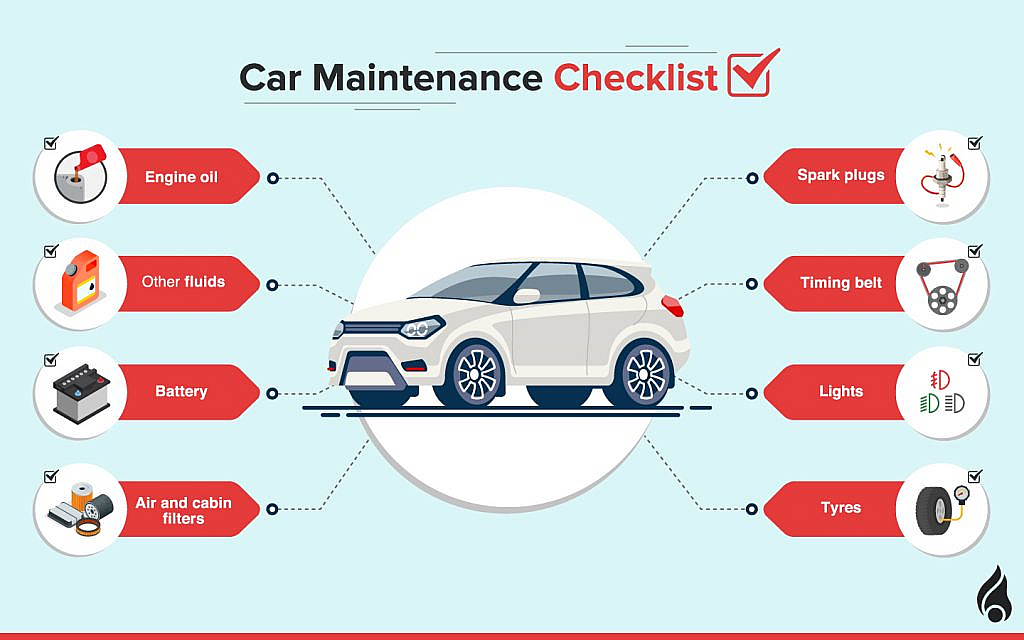
An essential car care checklist for monsoon starts with the basics: tyre tread and pressure, brake inspection, wiper blade condition, battery terminal checks, underbody rust-proofing, and headlight/fog lamp function. These monsoon car care tips form the single most important section for anyone who arrived wanting a straightforward checklist rather than general advice.
Running through all six items before the next heavy spell takes under an hour at most service centres, and catching a worn wiper blade or a corroded battery terminal now avoids a genuinely inconvenient breakdown later.
Tyres and Brakes — The Two Things That Matter Most in Rain
Tyre tread depth should sit at a legal minimum of 1.6mm, though 3mm or more gives a real safety margin for wet-road grip. Monsoon driving doesn’t require a pressure change, but under-inflated tyres meaningfully worsen aquaplaning risk on standing water.
Brake pads and rotors deserve a proper inspection before monsoon starts, since wet braking distances increase significantly compared to dry tarmac. A pad that’s fine in April can be borderline by the time heavy rain arrives in July.
Wipers, Visibility and Lighting
Wiper blades typically need replacement every 6 to 12 months, since the rubber degrades with UV and heat exposure even when the car isn’t driven much. Visible cracking, smearing, or a juddering motion across the windscreen are signs to replace them sooner rather than waiting out the full interval.
Topping up washer fluid and checking headlights, fog lamps, and tail lights matters more in monsoon than any other season, since reduced visibility during heavy rain is one of the biggest safety factors on Indian roads.
In short: tyres, brakes, wipers, and lights are the four items that most directly affect how a car behaves the moment heavy rain starts.
How to Prepare Your Car for the Rainy Season — Electrical and Underbody Protection
Knowing how to prepare your car for the rainy season means looking past the obvious checklist items too. Battery terminals and wiring harness points are common monsoon failure points, since moisture ingress causes corrosion that dry-season driving rarely triggers.
Underbody rust-proofing deserves a fresh inspection or reapplication before the season properly sets in, since waterlogged roads accelerate rust on exposed metal far faster than normal rain exposure. Confirming the car’s wading depth limit matters just as much — most sedans and hatchbacks are rated for roughly 300–400mm, with lower-riding cars rated for less.
Knowing this number in advance means a driver can make a genuine judgment call at a flooded underpass instead of guessing in the moment.
In short: electrical corrosion and underbody rust build up quietly, so pre-monsoon inspection catches problems dry-season driving simply doesn’t reveal — a core reason these monsoon car care tips emphasize prevention over reaction.
Monsoon Vehicle Maintenance — Keeping the Cabin and AC in Good Shape
Monsoon vehicle maintenance isn’t only about what’s under the bonnet. AC systems commonly develop a musty odour when the cabin air filter absorbs moisture and isn’t serviced regularly through the season.
Window seals and sunroof drain channels deserve a clear-check too, since a blocked drain channel can let water seep into the cabin without any obvious external sign. Floor mats and upholstery benefit from regular airing out during monsoon, since persistent dampness inside the cabin encourages odour and mould far faster than most owners expect.
In short: cabin dampness and AC odour are avoidable problems, not an inevitable part of owning a car through monsoon.
Monsoon Driving Tips — Staying Safe on Wet Indian Roads
Monsoon driving tips start with following distance — increasing the gap to the car ahead gives more room to react on wet tarmac where braking distances stretch.
Sudden braking should be avoided wherever possible, since it’s a leading cause of skidding on waterlogged roads. Car safety in rainy season depends as much on driving habits as on the vehicle’s mechanical condition, which is why these monsoon car care tips cover technique as well as maintenance.
Lower gears help on inclines during heavy rain, giving more controlled engine braking than relying on the brake pedal alone. Waterlogged underpasses deserve to be avoided entirely rather than estimated by eye, since misjudging depth by even a few centimetres can mean the difference between a wet undercarriage and a hydrolocked engine.
Wet road driving tips also include knowing when to simply stop. Pulling over safely during extremely low-visibility spells is the right call, rather than continuing to drive on guesswork through a wall of rain.
In short: most monsoon driving risk comes from misjudging water depth or visibility, not from any single dramatic hazard.
How to Protect Your Car During Monsoon in India — Parking and Storage Considerations
Knowing how to protect your car during monsoon in India extends to where it’s parked, not just how it’s driven. Parking under trees prone to waterlogging or falling branches during heavy wind is worth avoiding, even if the shade seems appealing on a humid day.
Covered parking is the safer default wherever it’s available. Being alert to flood-prone, low-lying areas specific to a driver’s own city matters too, since local geography — not the national rainfall average — determines which streets flood first during a heavy spell.
In short: parking choices during monsoon deserve the same attention as driving technique, since a parked car can take on water just as easily as a moving one.
Car Servicing Before Monsoon — DIY vs Professional Checklist Comparison
Car servicing before monsoon splits fairly cleanly into jobs a confident owner can handle personally and jobs that genuinely need a professional garage visit. Among the best monsoon car maintenance tips in India, knowing which category a task falls into saves both money and time.
The table below gives a rough sense of which is which, along with broad, indicative cost ranges that vary meaningfully by city, car segment, and whether the work happens at an authorised dealership or an independent garage.
| Task | DIY or Professional? | Frequency | Approx. Cost (India) |
|---|---|---|---|
| Wiper blade replacement | DIY | Every 6–12 months | ₹300–₹800 per set |
| Tyre tread/pressure check | DIY | Monthly during monsoon | Free (pressure); tyre cost if replacing |
| Brake pad inspection | Professional | Pre-monsoon + as needed | ₹500–₹1,500 (inspection); pads extra if worn |
| Underbody rust-proofing | Professional | Annually | ₹2,000–₹5,000 |
| Battery terminal check/clean | DIY or Professional | Pre-monsoon | Free–₹200 |
| AC and cabin filter service | Professional | Pre-monsoon or as needed | ₹500–₹1,500 |
Note: these are broad, indicative ranges, not fixed pricing — actual costs vary significantly by city, car segment, and service centre.
In short: roughly half this checklist is genuinely DIY-friendly, while brake work and underbody rust-proofing are worth leaving to a professional garage.
Tips for Long-Term Monsoon Car Care
- Keep a small emergency kit in the car during monsoon — a torch, basic tools, a tow rope, and a phone charger
- Avoid driving through standing water deeper than the car’s rated wading depth, even if other vehicles are attempting it
- Re-check tyre tread monthly through the season rather than just once before it starts
- Get the cabin air filter checked if the AC starts smelling musty rather than ignoring it
- Keep the car’s service history updated so a mechanic can quickly spot recurring monsoon-related issues year over year
- Avoid parking on slopes or low-lying spots during heavy rain warnings specific to your area
In short: long-term monsoon car care is mostly about consistent small habits rather than one big pre-season service.
Frequently Asked Questions
1. What are the most important monsoon car care tips before the rainy season starts?
Tyres, brakes, wipers, battery terminals, and underbody protection cover the core checklist most owners should prioritise first.
2. How often should wiper blades be replaced before monsoon?
Every 6 to 12 months as a general guideline, though visible cracking or smearing on the windscreen are signs to replace them sooner.
3. What tyre tread depth is safe for driving in monsoon?
The legal minimum is 1.6mm, but 3mm or more gives a genuine safety margin for wet-weather grip.
4. How deep can water be before it damages a car’s engine?
Most sedans and hatchbacks are rated for roughly 300–400mm of wading depth, though this varies by vehicle and shouldn’t be pushed to the limit.
5. Does a car need special maintenance if the monsoon forecast is below normal this year?
Yes. A below-normal national forecast doesn’t mean every region avoids heavy rain — parts of Northeast India, East-Central India, and Kerala are still expected to see normal-to-above-normal rainfall in 2026, so basic monsoon car care shouldn’t be skipped based on the seasonal average alone.
Conclusion
Monsoon car care tips aren’t just seasonal box-ticking. Tyres, brakes, electricals, and driving habits all genuinely affect safety once heavy rain hits Indian roads, regardless of whether the season trends weaker or stronger than average nationally.
Anyone reading these monsoon car care tips should run through this checklist before the next heavy spell, and get a professional inspection for anything that isn’t a confident DIY job.
For further reading, drivers can check monsoon driving advisories on the IMD’s official monsoon information page and general vehicle maintenance guidance on Maruti Suzuki’s official service page. Readers preparing a specific car for the season can also check our related guide on Maruti Suzuki Fronx On Road Price: Complete 2026 Guide.
Monsoon car care tips matter more this year than the seasonal forecast alone suggests. The southwest monsoon covered the entire country by 9 July 2026, just a day behind its normal date of 8 July, so most of India is already deep into active monsoon conditions right now.
The IMD’s updated long-range forecast pegs the 2026 season at roughly 90–92% of the Long Period Average, officially classified as “below normal.”
But that number hides real regional unevenness — parts of Northeast India, East-Central India, and Kerala are still expected to see normal-to-above-normal rainfall, so localized heavy spells and waterlogging remain genuine risks even in a below-normal year nationally.
This guide covers a pre-monsoon checklist, tyre and brake care, electrical protection, driving technique, and a quick-reference table of common monsoon problems and fixes.
Anyone searching for Monsoon car care tips for Indian roads will find genuinely current, practical advice below rather than generic seasonal filler. Car maintenance during monsoon isn’t optional box-ticking — it directly affects how safely a car handles the next heavy spell.
Why Monsoon Car Care Matters More Than Drivers Expect
Monsoon conditions stress a car differently than everyday driving. Standing water hides potholes, sudden braking on wet tarmac behaves unpredictably, and humidity quietly works on electrical connections that dry-season driving never tests.
Rainy season car care shouldn’t be skipped just because 2026 is officially a below-normal year. A national average of 90–92% of the LPA still allows for genuinely heavy, localized downpours in specific pockets, and a driver in one of those wetter regions gets no benefit from a weaker national picture.
These monsoon car care tips apply just as much in a below-normal year as a strong one, since local conditions matter more than the national headline figure.
In short: the “below normal” label describes the whole country’s average, not what happens on any one driver’s actual commute.
Essential Car Care Checklist for Monsoon — Before the Season Starts
An essential car care checklist for monsoon starts with the basics: tyre tread and pressure, brake inspection, wiper blade condition, battery terminal checks, underbody rust-proofing, and headlight/fog lamp function. These monsoon car care tips form the single most important section for anyone who arrived wanting a straightforward checklist rather than general advice.
Running through all six items before the next heavy spell takes under an hour at most service centres, and catching a worn wiper blade or a corroded battery terminal now avoids a genuinely inconvenient breakdown later.
Tyres and Brakes — The Two Things That Matter Most in Rain
Tyre tread depth should sit at a legal minimum of 1.6mm, though 3mm or more gives a real safety margin for wet-road grip. Monsoon driving doesn’t require a pressure change, but under-inflated tyres meaningfully worsen aquaplaning risk on standing water.
Brake pads and rotors deserve a proper inspection before monsoon starts, since wet braking distances increase significantly compared to dry tarmac. A pad that’s fine in April can be borderline by the time heavy rain arrives in July.
Wipers, Visibility and Lighting
Wiper blades typically need replacement every 6 to 12 months, since the rubber degrades with UV and heat exposure even when the car isn’t driven much. Visible cracking, smearing, or a juddering motion across the windscreen are signs to replace them sooner rather than waiting out the full interval.
Topping up washer fluid and checking headlights, fog lamps, and tail lights matters more in monsoon than any other season, since reduced visibility during heavy rain is one of the biggest safety factors on Indian roads.
In short: tyres, brakes, wipers, and lights are the four items that most directly affect how a car behaves the moment heavy rain starts.
How to Prepare Your Car for the Rainy Season — Electrical and Underbody Protection
Knowing how to prepare your car for the rainy season means looking past the obvious checklist items too. Battery terminals and wiring harness points are common monsoon failure points, since moisture ingress causes corrosion that dry-season driving rarely triggers.
Underbody rust-proofing deserves a fresh inspection or reapplication before the season properly sets in, since waterlogged roads accelerate rust on exposed metal far faster than normal rain exposure. Confirming the car’s wading depth limit matters just as much — most sedans and hatchbacks are rated for roughly 300–400mm, with lower-riding cars rated for less.
Knowing this number in advance means a driver can make a genuine judgment call at a flooded underpass instead of guessing in the moment.
In short: electrical corrosion and underbody rust build up quietly, so pre-monsoon inspection catches problems dry-season driving simply doesn’t reveal — a core reason these monsoon car care tips emphasize prevention over reaction.
Monsoon Vehicle Maintenance — Keeping the Cabin and AC in Good Shape
Monsoon vehicle maintenance isn’t only about what’s under the bonnet. AC systems commonly develop a musty odour when the cabin air filter absorbs moisture and isn’t serviced regularly through the season.
Window seals and sunroof drain channels deserve a clear-check too, since a blocked drain channel can let water seep into the cabin without any obvious external sign. Floor mats and upholstery benefit from regular airing out during monsoon, since persistent dampness inside the cabin encourages odour and mould far faster than most owners expect.
In short: cabin dampness and AC odour are avoidable problems, not an inevitable part of owning a car through monsoon.
Monsoon Driving Tips — Staying Safe on Wet Indian Roads
Monsoon driving tips start with following distance — increasing the gap to the car ahead gives more room to react on wet tarmac where braking distances stretch.
Sudden braking should be avoided wherever possible, since it’s a leading cause of skidding on waterlogged roads. Car safety in rainy season depends as much on driving habits as on the vehicle’s mechanical condition, which is why these monsoon car care tips cover technique as well as maintenance.
Lower gears help on inclines during heavy rain, giving more controlled engine braking than relying on the brake pedal alone. Waterlogged underpasses deserve to be avoided entirely rather than estimated by eye, since misjudging depth by even a few centimetres can mean the difference between a wet undercarriage and a hydrolocked engine.
Wet road driving tips also include knowing when to simply stop. Pulling over safely during extremely low-visibility spells is the right call, rather than continuing to drive on guesswork through a wall of rain.
In short: most monsoon driving risk comes from misjudging water depth or visibility, not from any single dramatic hazard.
How to Protect Your Car During Monsoon in India — Parking and Storage Considerations
Knowing how to protect your car during monsoon in India extends to where it’s parked, not just how it’s driven. Parking under trees prone to waterlogging or falling branches during heavy wind is worth avoiding, even if the shade seems appealing on a humid day.
Covered parking is the safer default wherever it’s available. Being alert to flood-prone, low-lying areas specific to a driver’s own city matters too, since local geography — not the national rainfall average — determines which streets flood first during a heavy spell.
In short: parking choices during monsoon deserve the same attention as driving technique, since a parked car can take on water just as easily as a moving one.
Car Servicing Before Monsoon — DIY vs Professional Checklist Comparison
Car servicing before monsoon splits fairly cleanly into jobs a confident owner can handle personally and jobs that genuinely need a professional garage visit. Among the best monsoon car maintenance tips in India, knowing which category a task falls into saves both money and time.
The table below gives a rough sense of which is which, along with broad, indicative cost ranges that vary meaningfully by city, car segment, and whether the work happens at an authorised dealership or an independent garage.
| Task | DIY or Professional? | Frequency | Approx. Cost (India) |
|---|---|---|---|
| Wiper blade replacement | DIY | Every 6–12 months | ₹300–₹800 per set |
| Tyre tread/pressure check | DIY | Monthly during monsoon | Free (pressure); tyre cost if replacing |
| Brake pad inspection | Professional | Pre-monsoon + as needed | ₹500–₹1,500 (inspection); pads extra if worn |
| Underbody rust-proofing | Professional | Annually | ₹2,000–₹5,000 |
| Battery terminal check/clean | DIY or Professional | Pre-monsoon | Free–₹200 |
| AC and cabin filter service | Professional | Pre-monsoon or as needed | ₹500–₹1,500 |
Note: these are broad, indicative ranges, not fixed pricing — actual costs vary significantly by city, car segment, and service centre.
In short: roughly half this checklist is genuinely DIY-friendly, while brake work and underbody rust-proofing are worth leaving to a professional garage.
Tips for Long-Term Monsoon Car Care
- Keep a small emergency kit in the car during monsoon — a torch, basic tools, a tow rope, and a phone charger
- Avoid driving through standing water deeper than the car’s rated wading depth, even if other vehicles are attempting it
- Re-check tyre tread monthly through the season rather than just once before it starts
- Get the cabin air filter checked if the AC starts smelling musty rather than ignoring it
- Keep the car’s service history updated so a mechanic can quickly spot recurring monsoon-related issues year over year
- Avoid parking on slopes or low-lying spots during heavy rain warnings specific to your area
In short: long-term monsoon car care is mostly about consistent small habits rather than one big pre-season service.
Frequently Asked Questions
1. What are the most important monsoon car care tips before the rainy season starts?
Tyres, brakes, wipers, battery terminals, and underbody protection cover the core checklist most owners should prioritise first.
2. How often should wiper blades be replaced before monsoon?
Every 6 to 12 months as a general guideline, though visible cracking or smearing on the windscreen are signs to replace them sooner.
3. What tyre tread depth is safe for driving in monsoon?
The legal minimum is 1.6mm, but 3mm or more gives a genuine safety margin for wet-weather grip.
4. How deep can water be before it damages a car’s engine?
Most sedans and hatchbacks are rated for roughly 300–400mm of wading depth, though this varies by vehicle and shouldn’t be pushed to the limit.
5. Does a car need special maintenance if the monsoon forecast is below normal this year?
Yes. A below-normal national forecast doesn’t mean every region avoids heavy rain — parts of Northeast India, East-Central India, and Kerala are still expected to see normal-to-above-normal rainfall in 2026, so basic monsoon car care shouldn’t be skipped based on the seasonal average alone.
Conclusion
Monsoon car care tips aren’t just seasonal box-ticking. Tyres, brakes, electricals, and driving habits all genuinely affect safety once heavy rain hits Indian roads, regardless of whether the season trends weaker or stronger than average nationally.
Anyone reading these monsoon car care tips should run through this checklist before the next heavy spell, and get a professional inspection for anything that isn’t a confident DIY job.
For further reading, drivers can check monsoon driving advisories on the IMD’s official monsoon information page and general vehicle maintenance guidance on Maruti Suzuki’s official service page. Readers preparing a specific car for the season can also check our related guide on Maruti Suzuki Fronx On Road Price: Complete 2026 Guide.